

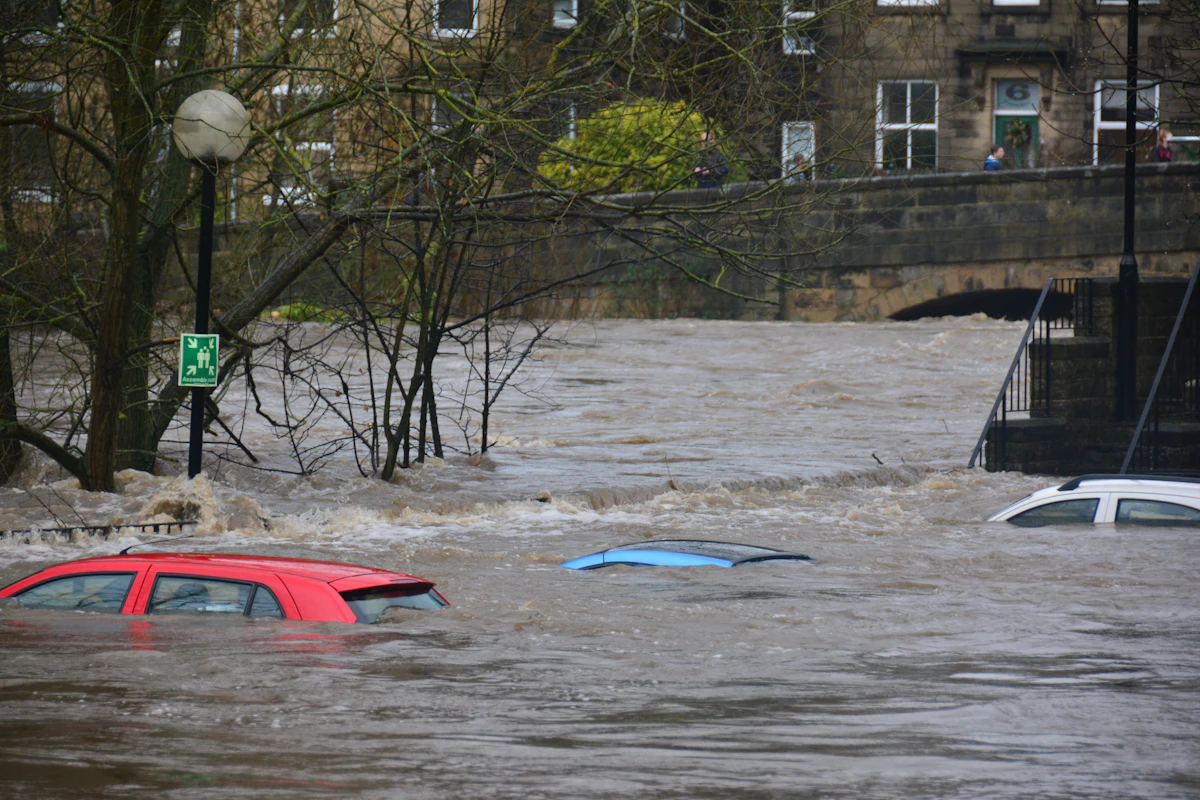
Short answer
A car with a flood history carries an elevated risk of hidden corrosion, electronics damage, and, for hybrids and EVs, damage to the high-voltage battery. Many of these problems don't show up right away but only after months of use, and they can't be reliably assessed from auction photos — such lots call for a particularly cautious approach or passing without a specialized inspection.
Why flooding is more dangerous than many other kinds of damage
Unlike mechanical body damage, the effects of flooding develop gradually: corrosion of connectors and wiring builds up over time, and electronic control units can start behaving erratically only after the sale. A visual inspection right after the lot is prepared for sale often doesn't reveal these delayed problems.
What to look for in photos
- mud and silt in hard-to-reach spots — under seats, in recesses, under trim panels;
- moisture or condensation inside headlights and taillights;
- water lines on sills, door trim, and pillars;
- signs the interior was disassembled (for example, to dry it out after a flooding incident);
- corrosion on metal parts under the carpet, where visible.
Electronics
Modern cars contain dozens of electronic control units, whose connectors are vulnerable to corrosion after contact with water, especially salt water or contaminated water. Faults may appear not right away but weeks or months later — this is one reason history reports and auction notations don't guarantee the car will work properly at the time of purchase.
Risk for hybrids and EVs
For cars with a high-voltage battery, flooding creates an additional safety risk — the condition of the battery's insulation and casing can't be assessed from photos. Such lots require specialized diagnostics before a purchase decision, not just a visual check.
Should you even consider such lots
Flooded cars are sometimes bought for parts or for restoration by experienced specialists, but for a regular buyer planning to keep using the car, the risks usually outweigh the potential savings. The decision should be based on a realistic assessment of the hidden risks, not just an attractive lot price.
Frequently asked questions
Can flooding be identified from the history report alone?
Not always — the event has to have been recorded by a source that reports data to CARFAX or AutoCheck, which doesn't happen in every case.
Do the problems show up right after purchase?
Not necessarily — corrosion and electronics faults can develop gradually.
Is special diagnostics needed before purchase?
Yes, especially for EVs and hybrids, where the high-voltage system may be at risk.
Can a flooded car pass registration?
It depends on the document type and the requirements in force — this needs to be checked separately, before bidding.
Next step
Compare signs of flooding against the general damage-assessment methodology — "How to assess damage from auction photos".


